Why Odoo Is Perfect for Indian Manufacturing (And How to Implement It Successfully)
Odoo has quietly become one of the fastest-growing ERP platforms in the world and in India, its momentum among manufacturing SMEs is impossible to ignore. The reason isn't complicated: Odoo is affordable, flexible, and powerful enough to run a real manufacturing operation without the price tag of a legacy enterprise system.
But here's the catch. Odoo's success on the ground depends almost entirely on how well it's implemented. Two companies can buy the exact same Odoo license and end up with completely different outcomes, one with a system that runs their shop floor like clockwork, the other with a half configured tool nobody trusts. This article breaks down why Odoo fits Indian manufacturing so well, what a proper implementation actually involves, and how to get it right the first time.
Understanding Odoo for Manufacturing
What Is Odoo
Odoo is a global, open source ERP platform used by millions of businesses worldwide, spanning everything from five person startups to large enterprises. It's positioned as a genuinely affordable alternative to heavyweight systems like SAP, Oracle, or Microsoft Dynamics, but without giving up depth its modules are highly customizable, which matters enormously for manufacturers whose processes rarely fit a generic template. Odoo's footprint has also been growing rapidly in India, backed by an ecosystem trusted by organizations of every size.
Why Odoo Works for Indian Manufacturing
Cost Advantage : Odoo typically runs 50-70% less expensive than enterprise grade alternatives, which puts it comfortably within reach of manufacturing companies in the ₹5-50 crore range. Because it scales with the business you pay for what you actually use there's no pressure to buy an oversized system upfront, and no punishing licensing tiers to navigate later.
Flexibility: Rather than forcing a business to bend around rigid software logic, Odoo is built to be shaped around how a company actually operates. Industry specific modules are readily available, and the platform plays well with existing equipment and third party systems, which is critical when a plant already has hardware and workflows it can't afford to rip out.
Powerful Features: Odoo's manufacturing module is genuinely capable of sophisticated inventory management, multi location support, built-in quality control, and compliance features like GST and e-invoicing baked right in. Real-time dashboards and reporting mean decision makers aren't waiting on end of month spreadsheets to know what's happening on the floor.
Active Ecosystem : With over 5,000 apps available and a fast growing developer community, Odoo keeps improving. India now has a growing pool of implementation partners who specialize in adapting it to local manufacturing realities.
Odoo in the Indian Manufacturing Context
India's push toward digital transformation has consistently favored accessible, scalable solutions over expensive enterprise software and Odoo sits right in that sweet spot. Most manufacturing SMEs simply can't justify the cost of a traditional enterprise ERP, but they still need sophisticated tools to compete. Post-COVID, manufacturing adoption of platforms like Odoo has accelerated sharply, and the growing base of Indian Odoo specialists means support and expertise are no longer hard to find.
What Odoo Implementation Actually Involves
A successful Odoo rollout is never just "installing software." It's a structured process, and skipping steps is usually where things go wrong.
Assessment & Planning: This is where the real groundwork happens: analyzing existing systems and data, gathering requirements, mapping current business processes, selecting the right Odoo modules, identifying what needs customization, and building a realistic timeline and resourcing plan.
Configuration: Odoo's modules get set up and configured to mirror how the business actually works workflows, user roles and security, reports, dashboards, and integrations all get tailored rather than left at default settings.
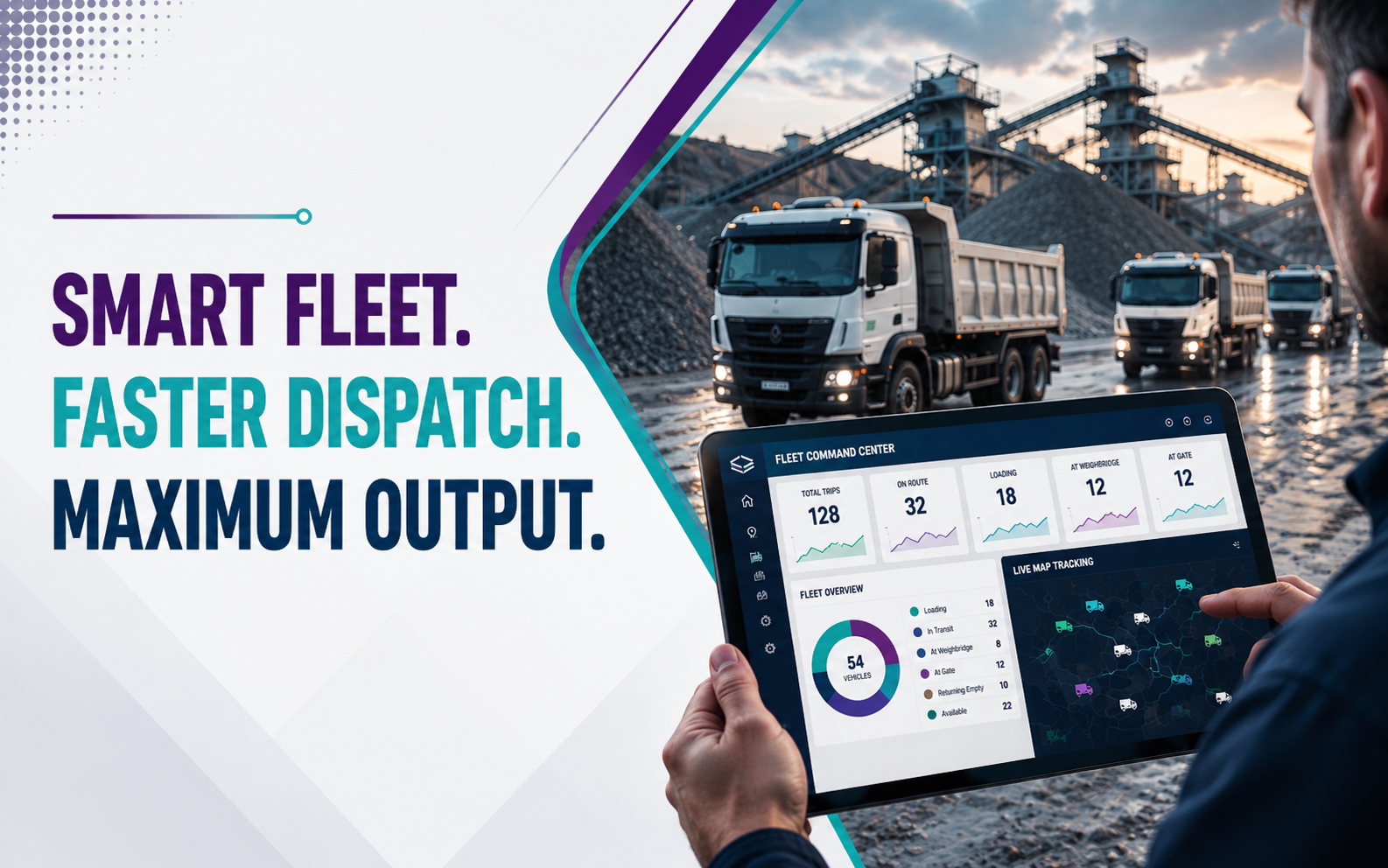
Customization: No two manufacturing operations are identical, so this stage often includes developing custom features, building industry specific modules, integrating specialized equipment (weighbridges, GPS tracking, and similar hardware), creating custom reports and automations, and developing APIs to connect with third-party systems.
Data Migration: Legacy data rarely arrives clean. This phase covers preparing that data, cleansing and validating it, planning the migration itself, testing thoroughly, and finally loading it in for go live.
Training & Change Management: Even the best-configured system fails if people don't use it properly. This means structured user training, role based curricula, clear documentation, a real change management plan, and hands on support through go live.
Odoo Manufacturing Modules: The Core Features
Manufacturing Module: Bill of Materials (BOM) management, production order creation and tracking, work order scheduling, capacity planning, production costing, and quality control integration.
Inventory Management: Real time stock visibility, multi warehouse support, stock valuation (FIFO, Average, Standard), automated reordering, barcode and serial tracking, and optimized warehouse operations.
Quality Management: Quality check points, non conformity tracking, corrective actions, quality metrics and reporting, and compliance documentation.
Accounting & Finance: Invoicing and billing, GST compliance, multi currency support, financial reporting, cost analysis, and profitability tracking.
Common Odoo Implementation Challenges - And How to Solve Them
Challenge 1: Too much customization needed. Good consulting up front prevents over customization. In many cases, some process re-engineering reduces the perceived need for custom development standard Odoo, with minor tweaks, is often enough.
Challenge 2: Data migration complexity. This is solved with professional migration planning, cleaning data before it moves, and thorough testing before go live rather than after.
Challenge 3: User adoption resistance. Proper change management, comprehensive training, addressing concerns early, and visible executive sponsorship all go a long way here.
Challenge 4: Integration with equipment. Odoo's API flexibility, combined with partner ecosystem support and pre-built integrations for common manufacturing equipment, makes this far less painful than it sounds.
Codelayer's Odoo Implementation Partnership
A Certified Odoo Partner
Codelayer is an Odoo Ready Partner, bringing 25 years of ERP experience alongside dedicated Odoo specialization. With 600+ implementations across industries many of them Odoo based Codelayer combines deep industry specific expertise with a proven implementation methodology.
The Codelayer Advantage
Codelayer isn't just an Odoo reseller it's a partner with real implementation depth, including:
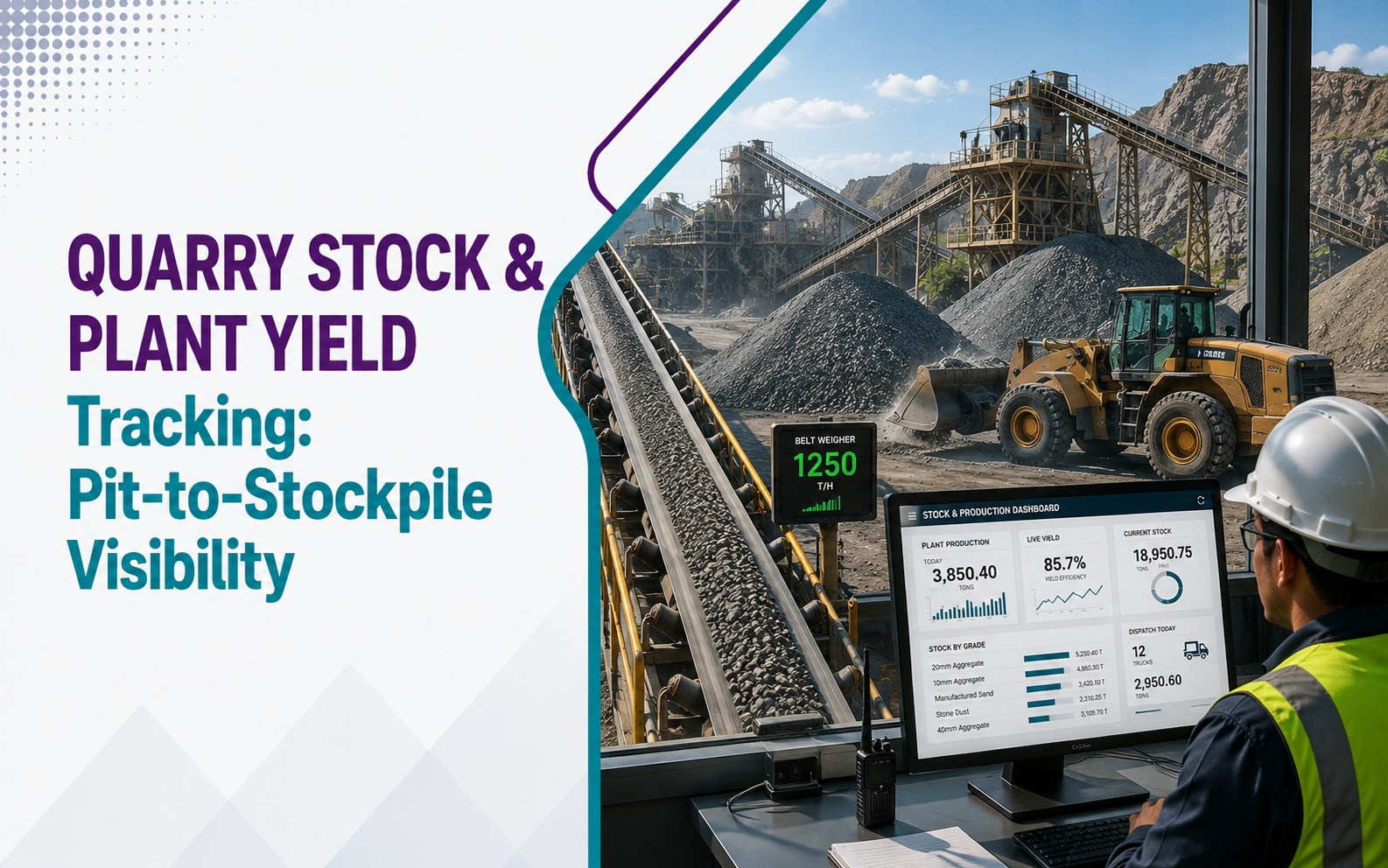
- Industry-specific implementations covering manufacturing configurations, quarry ERP customizations, RMC plant management, brick manufacturing modules, and logistics and fleet management
- Quick implementation timelines, backed by a proven process, pre-built configurations for common scenarios, efficient resource allocation, and parallel process improvement
- Strong customization capability, with an in house development team handling custom modules, specialized equipment integration, and unique business process support
Codelayer's Implementation Process
- Discovery & Design understanding your business inside and out
- Configuration & Customization building the solution around your actual workflows
- Data Migration & Testing making sure your data arrives accurate and intact
- Training & Go live Support ensuring real adoption, not just installation
- Post-Implementation Optimization continuous improvement after go-live
A Long Term Partnership, Not a One Time Project
Implementation is only the starting point. Codelayer's Annual Maintenance Contract (AMC) support covers continuous optimization, feature upgrades, security updates, and ongoing business process improvements so the system keeps pace with the business rather than falling behind it.
Conclusion
- Odoo is a powerful, affordable ERP well suited to Indian manufacturing
- Odoo's success hinges on implementation quality, not just the software itself
- A capable implementation partner is critical to avoiding common pitfalls
- Codelayer brings 25 years of ERP experience combined with focused Odoo expertise
- Industry specific implementation ensures the solution actually fits how your business runs
Ready to see if Odoo is the right fit for your manufacturing business?
Schedule a free Odoo suitability assessment or connect with an Odoo implementation specialist at Codelayer today.